 01Star Wars: Episode V - The Empire Strikes Back
Star Wars: Episode V - The Empire Strikes Back
Action · Adventure
Reading this profile
Comparing recent choices with the patterns that usually shape this home row.
PLAYGuest night · Your profile
They used the profile already open on your TV. No one did anything wrong, but now their taste is mixed into yours.
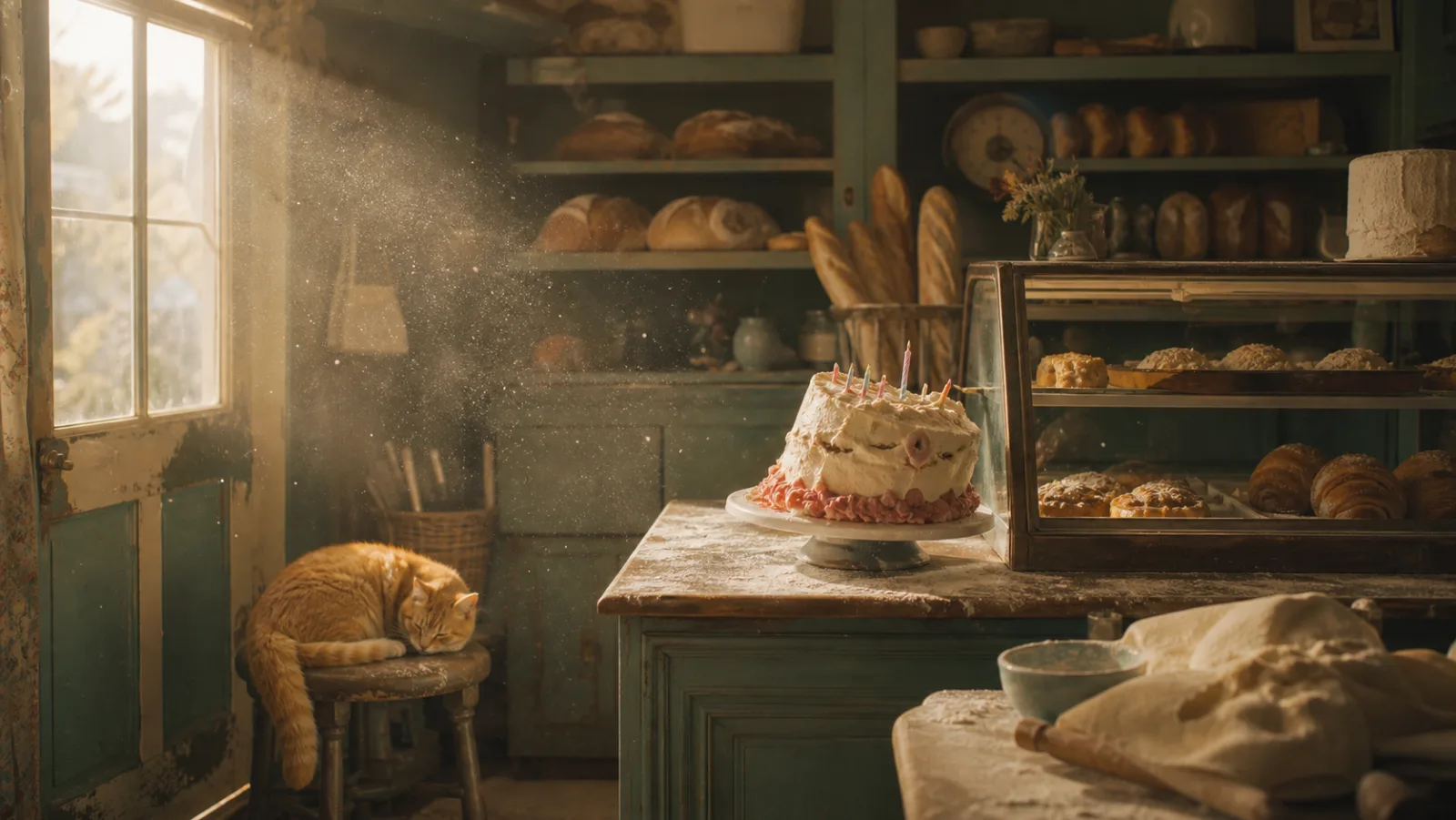
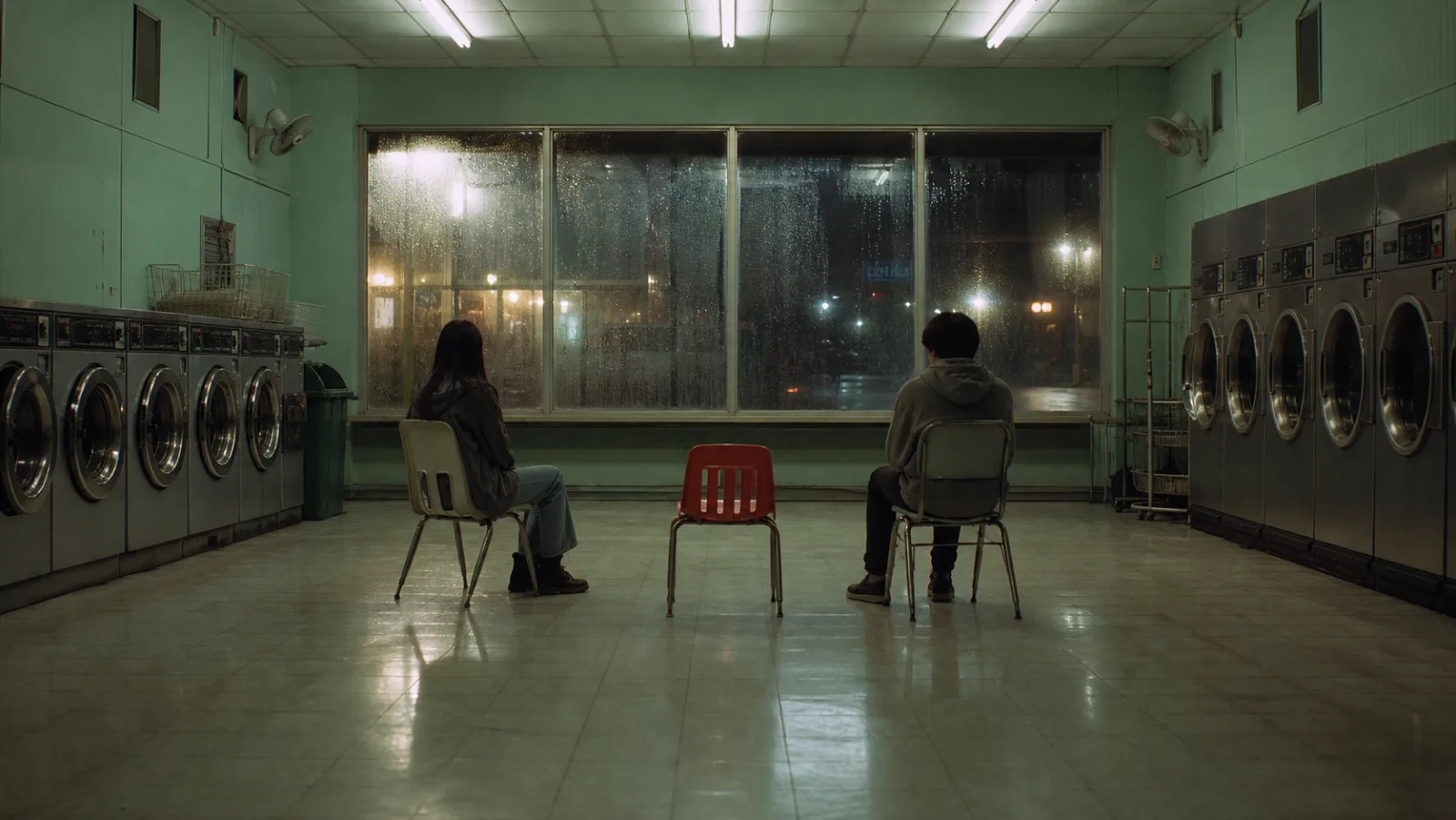
Real MovieLens titles · original illustrative stills, not official film art
One account. More than one taste.
01Star Wars: Episode V - The Empire Strikes BackAction · Adventure
02Eternal Sunshine of the Spotless MindDrama · Romance
 03Garden State
Comedy · Drama
 04Straight Story, The
Adventure · Drama
05Buffalo '66 (a.k.a. Buffalo 66)Drama · Romance
Every recent signal currently has equal influence.
01Straight Story, TheAdventure · Drama
 02Man Bites Dog (C'est arrivé près de chez vous)
Comedy · Crime
03Straw DogsDrama · Thriller
04Last Temptation of Christ, TheDrama
A quieter lane from this account
01Myth of Fingerprints, TheComedy · Drama
02End of the Affair, TheDrama
03Heaven & EarthAction · Drama
 04Girl
Drama
05Greaser's PalaceComedy · Drama
The product idea
On a couch, the lowest-friction action wins: people press play. SplitTaste looks for recurring taste patterns, then asks the account owner for just enough context to rebalance the home screen.
A MovieLens 32M experiment
I started with MovieLens 32M. It contains 32M movie ratings from 200,948 anonymous users. It does not contain households, profiles, or confirmed viewing history.
To recreate the shared-TV problem, I combined two to four real MovieLens users into one synthetic account. Their ratings stayed real; only the shared household was simulated.
The question was simple: if one account contains several consistent tastes, can a few user answers separate them well enough to improve its recommendations?
01 · How I built the test
I kept earlier ratings for training and later ratings for testing. Then I represented movies in 32 dimensions and created households with low, medium, and high taste overlap. The fixed seed means the same households can be rebuilt every time.
02 · The first question
I compared three versions: one blended profile, SplitTaste after three user answers, and an oracle that already knows the original user behind each rating.
Recommendation quality
Higher is better. The oracle shows the best result we could expect if we already knew which source user rated each movie.
03 · The second question
I chose movies where the model was uncertain and where an answer could change the recommendation list. Three answers improved the offline ranking. More answers still helped, but each extra answer added less.
Correction curve
04 · Where did it struggle?
SplitTaste helped several groups, but it performed worse for the middle-activity cohort. That matters because a good average can still hide a poor experience for one group.
Household breakdown
Switch the tabs to see where SplitTaste helped and where it did not. These are offline test results, not real customer behavior.
The data work: a reproducible pipeline from raw ratings to a browser-safe demo, with chronological testing and the original user mapping kept out of the public bundle.
The product idea: ask for a small amount of context when it can meaningfully change the recommendation list.
The limit: these are synthetic households and offline ranking results. They do not show real viewing, engagement, retention, or production impact.
What I would test next: let volunteers label a few mixed-profile choices, then measure whether the calibrated recommendations actually feel more relevant.